A new vantage for New York
Architecture, engineering, and the city’s restless spirit come together in the clouds.
Table of Contents
Origins of Hudson Yards
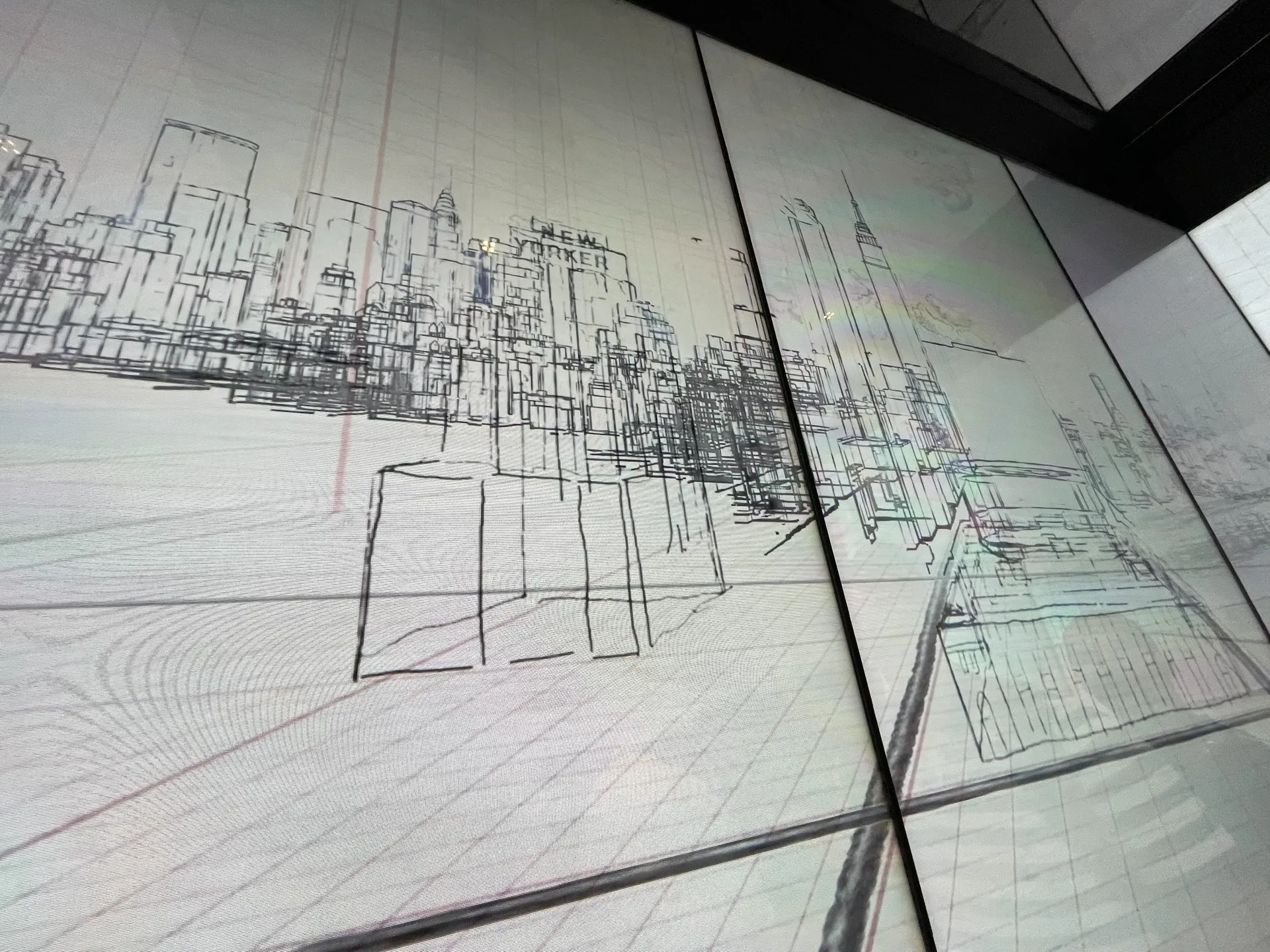
For decades, the West Side railyards were a frontier between Midtown’s dense core and the Hudson River — an expanse of tracks and open air, more transit than neighborhood. The audacious idea was to build a new district on a platform above active rail lines, stitching together a once‑industrial edge into the fabric of Manhattan.
Hudson Yards emerged from that vision: offices, homes, parks, and cultural spaces rising over steel and motion. Within it, 30 Hudson Yards crowned the plan with a gesture both architectural and emotional — a terrace that didn’t just look at the skyline, but reached into it.
Designing the sky deck
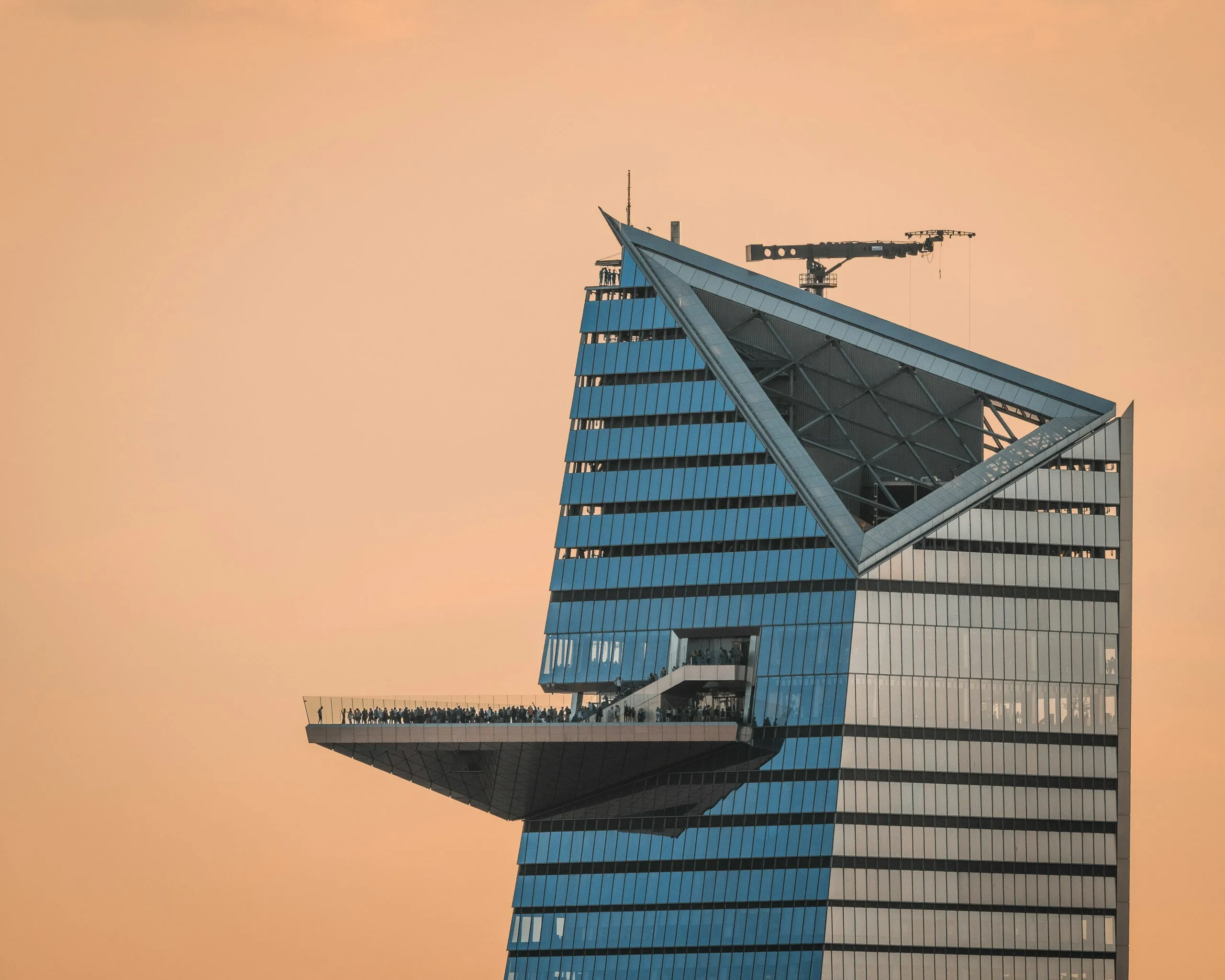
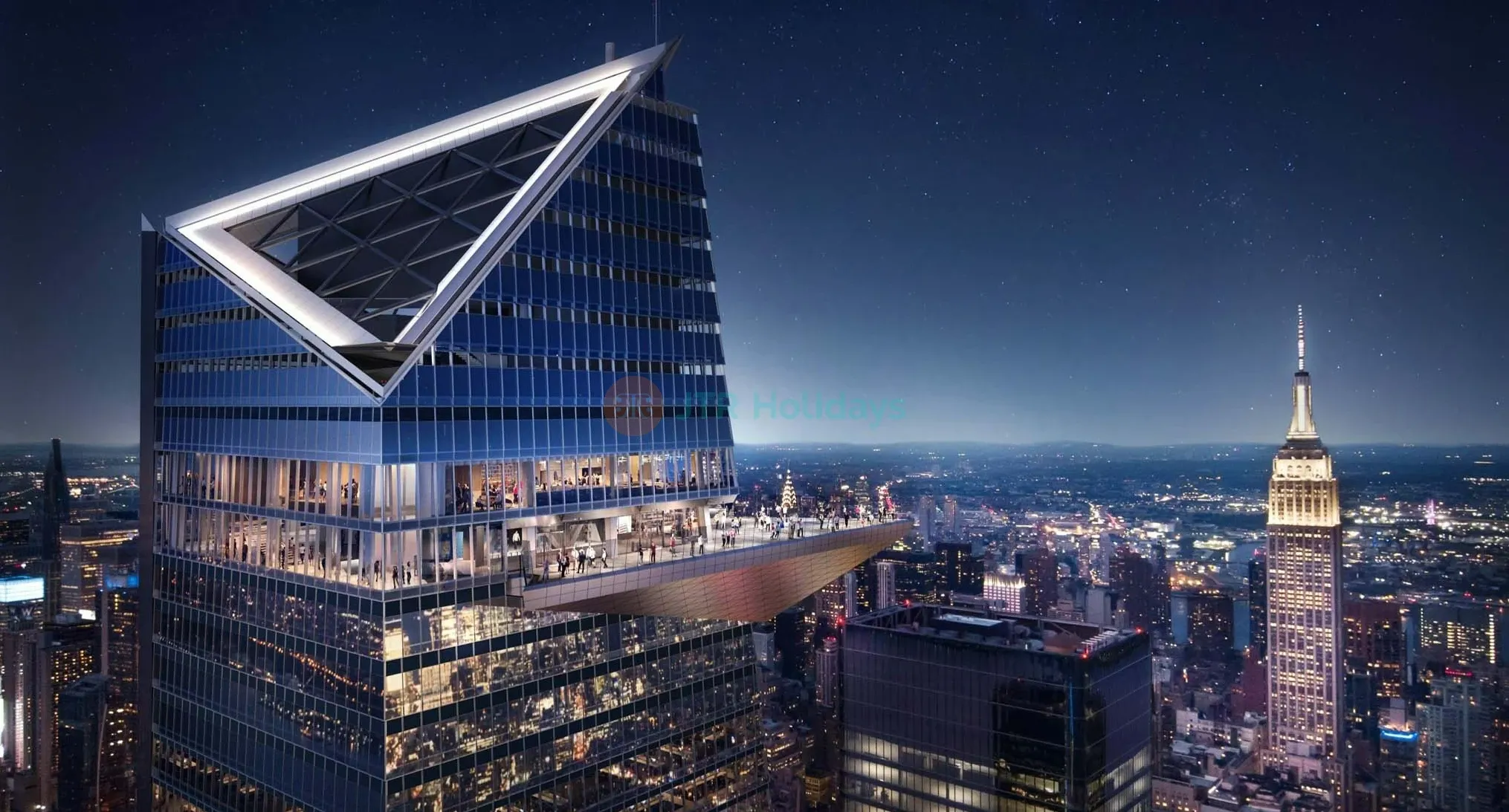
Edge’s form is instantly recognizable — a crystalline wedge that seems to slip out of the tower and hover 1,131 feet above the city. Angled glass balustrades invite you to lean into the panorama; the facets catch and refract light in a way that feels both futuristic and unmistakably New York.
The experience was designed to be participatory. Nothing is passive: the deck nudges you to move, stroll, point, compare landmarks, and claim your own corner of the skyline. Inside and out, the route is choreographed so the city unveils itself in generous, cinematic frames.
Engineering the cantilever
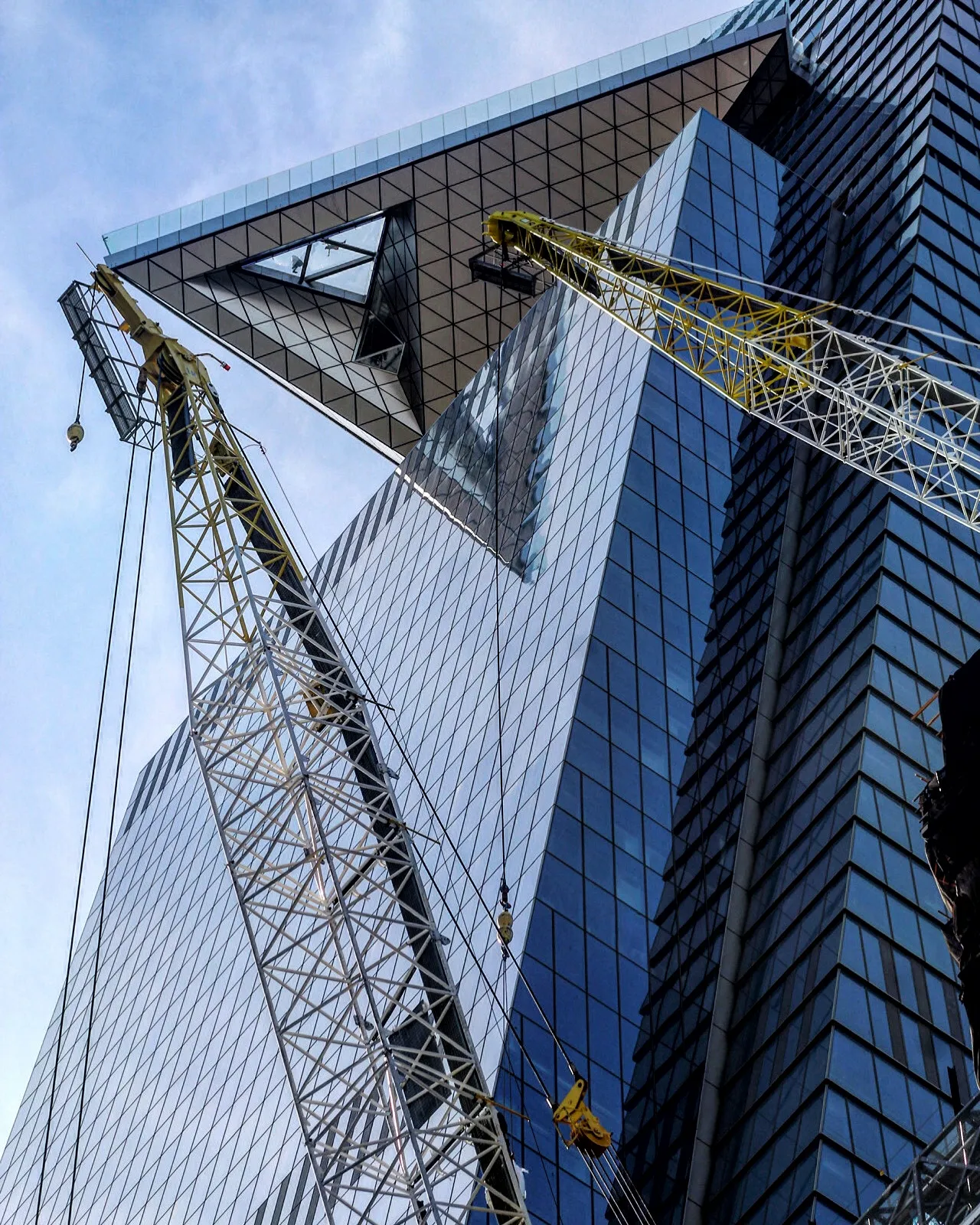
The deck projects roughly 80 feet from the building — a bold cantilever made possible by deep steel framing, carefully tuned connections, and a hidden web of structure that carries loads back into the tower. Every detail was modeled for wind, weight, and movement, from the glass panels to the point where your foot meets the floor.
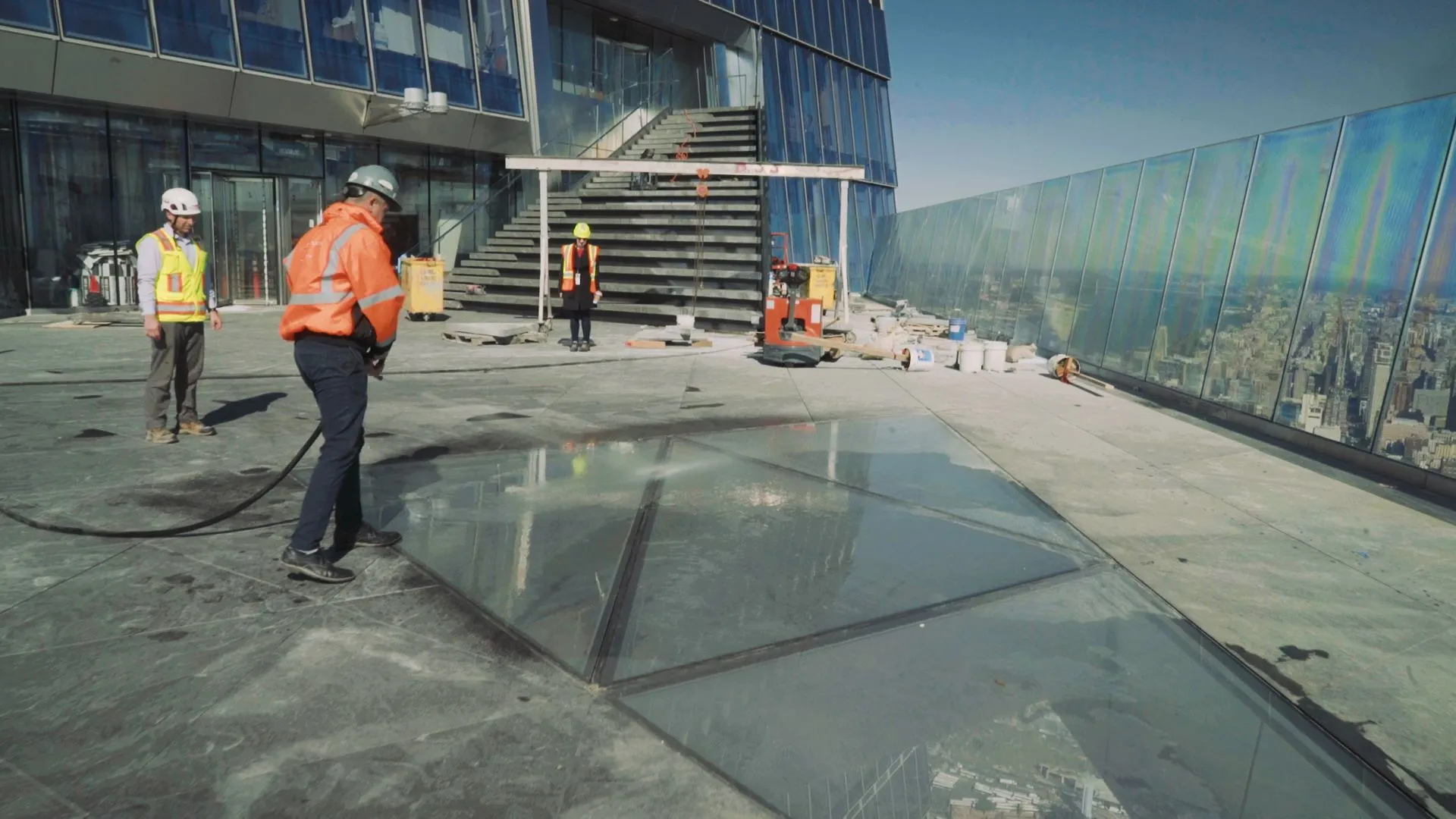
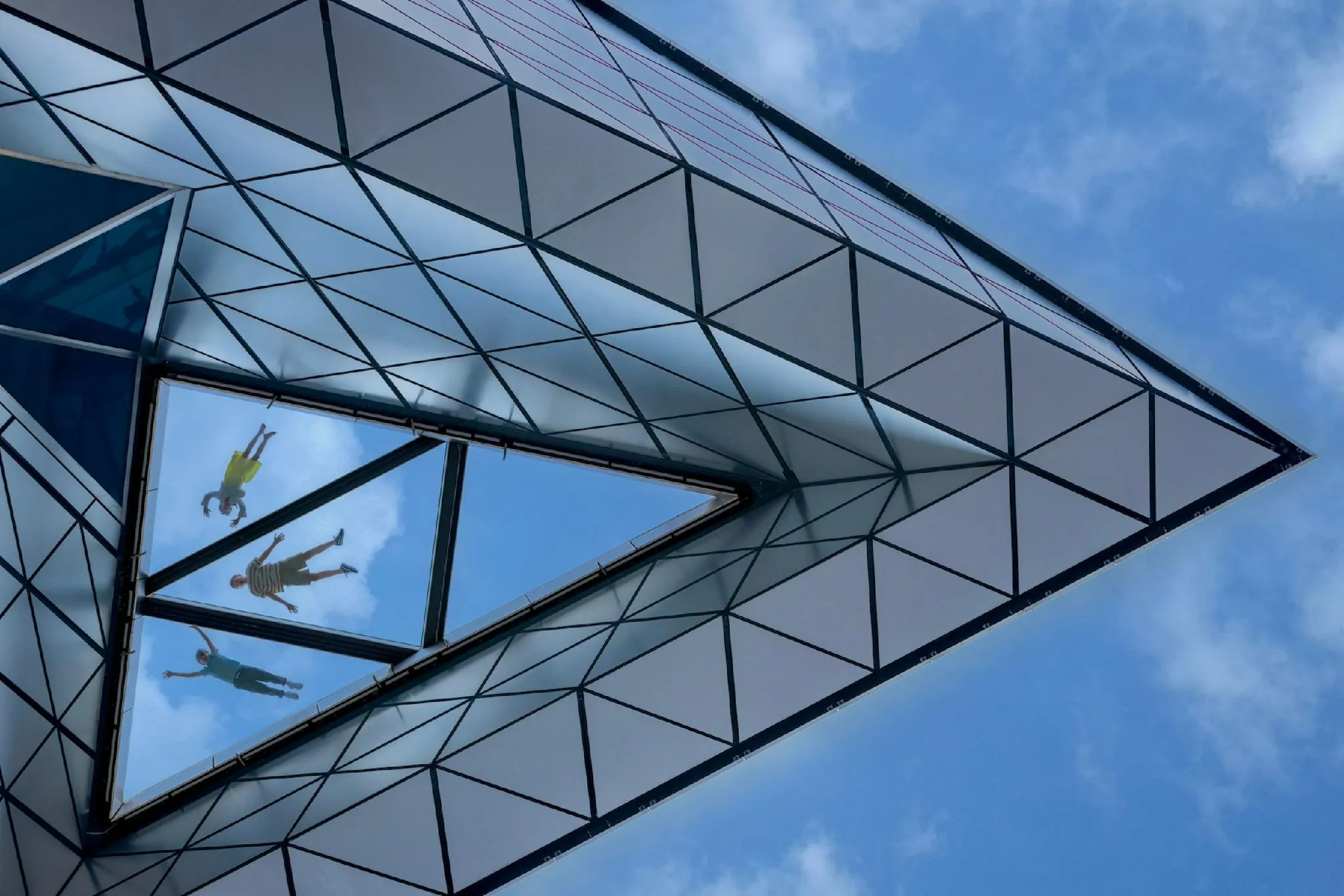
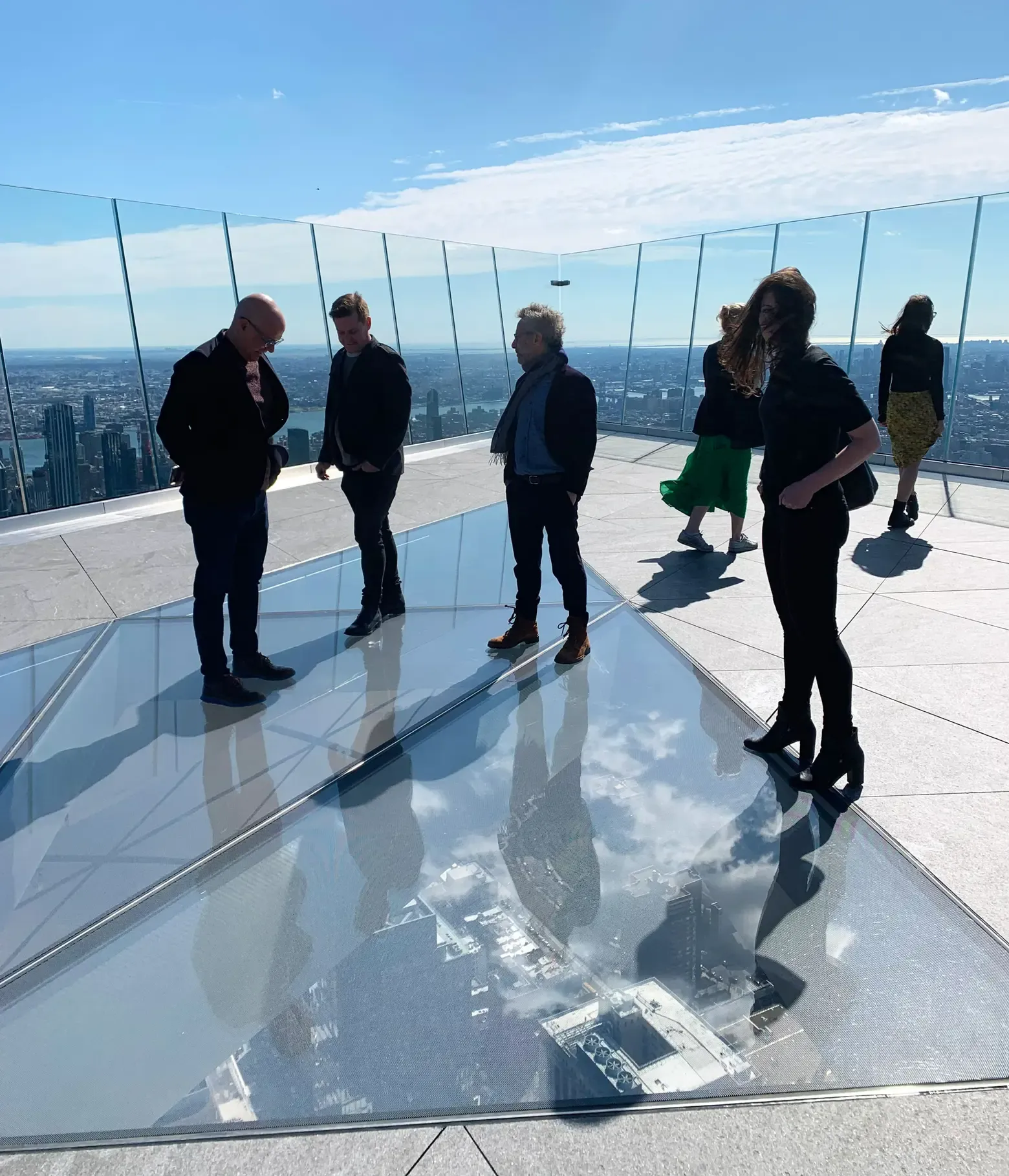
Even the glass floor is a feat: thick, laminated panels engineered for strength and clarity, giving you a vertigo‑tinged look at the city below. It’s a blend of performance and theater — robust enough to trust, transparent enough to thrill.
Opening, pause, and return
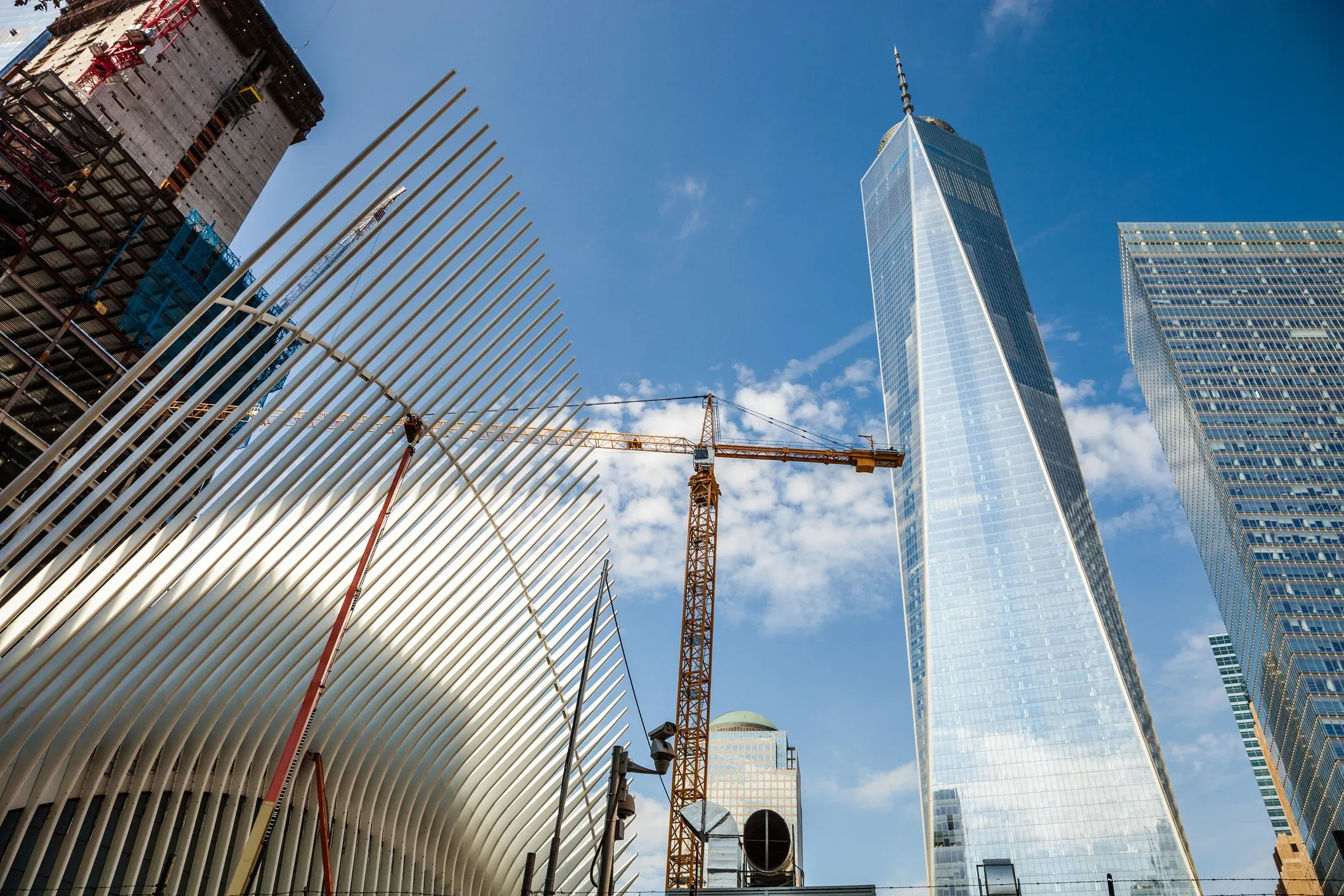
Edge opened in early 2020 with a splash of optimism — a new way to see New York from a district that symbolized the city’s knack for reinvention. Within weeks, the world shifted, and the deck closed temporarily amid a global pause.
Its reopening became a small beacon: a sign of the city gathering itself again, of visitors returning, and of residents seeking fresh air and fresh perspective. From that point, Edge settled into the city’s rhythm — a place for proposals, reunions, and first‑time ‘wow’ moments.
Views that map a city
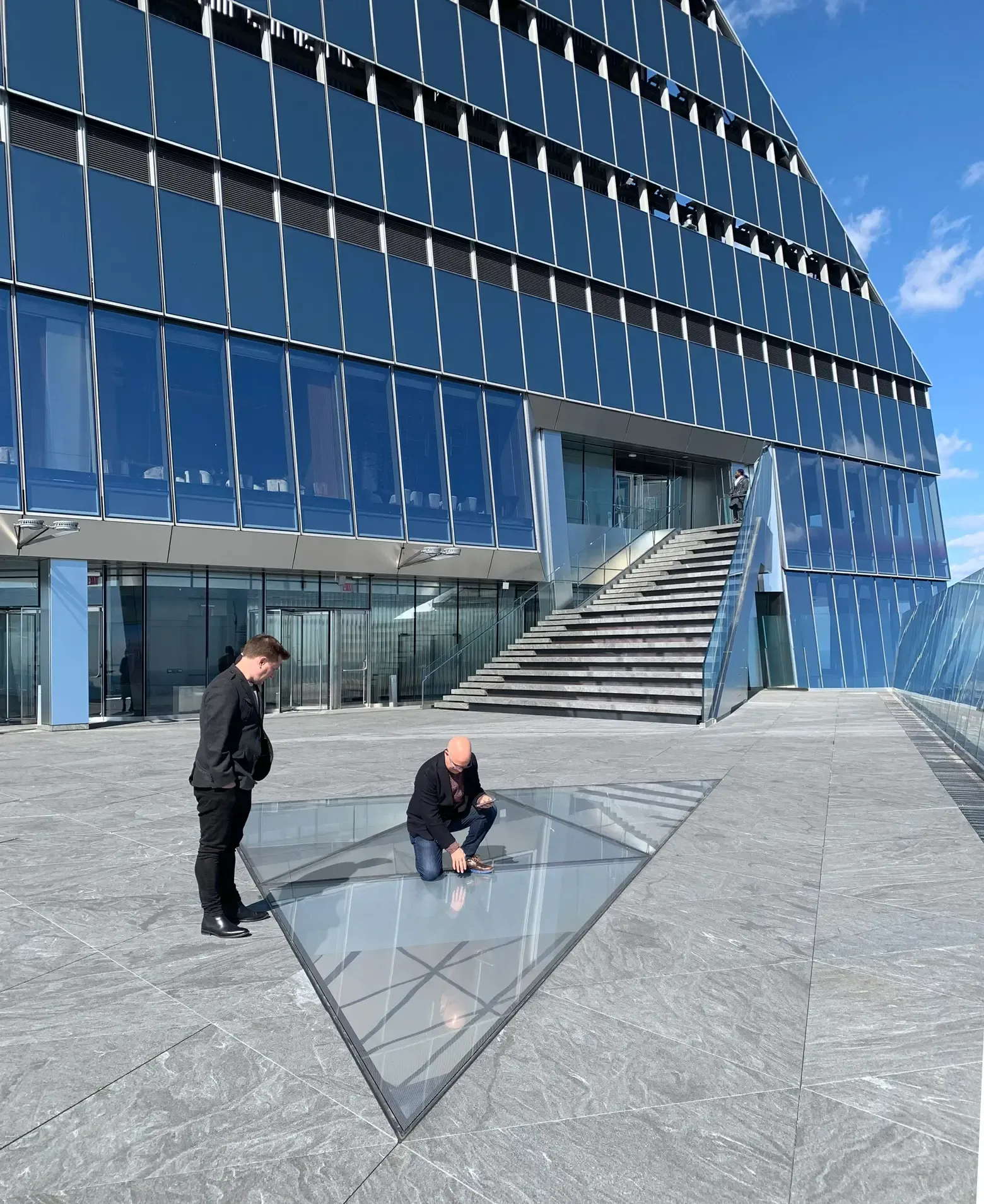
From Edge, the city becomes a living atlas. To the south, the Hudson turns silvery at sunset; to the east, Midtown’s towers step toward the river; far uptown, a green seam hints at Central Park. On clear days the horizon stretches to New Jersey’s Palisades, the harbor, and the Atlantic’s distant line.
Night remakes the map: avenues glow like circuitry, landmarks sharpen into icons, and the city’s hum rises from a thousand stories below. It’s a reminder that New York is not a skyline but a habitat — a place people build, use, and reimagine every day.
City Climb: the crown
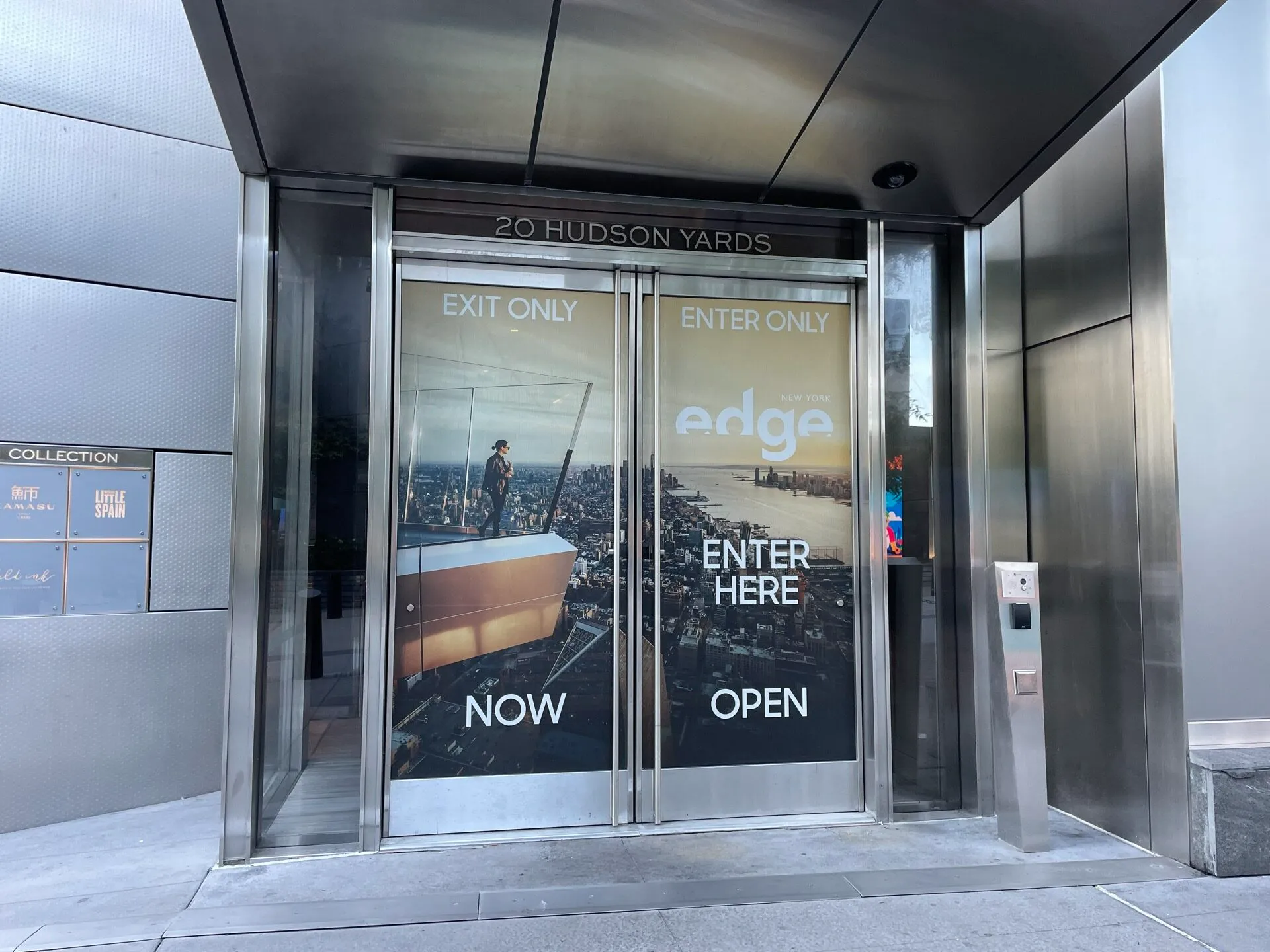
City Climb takes the concept of a ‘lookout’ and tilts it into adventure. Suited, briefed, and clipped into a safety system, you ascend open‑air stairs to the crown, where the city opens in every direction.
At the top comes the signature moment: a supported lean over the edge, body pitched into a sea of air, Manhattan unfurling beneath your feet. It’s controlled, supervised, and unforgettable.
High Line, Vessel, and context
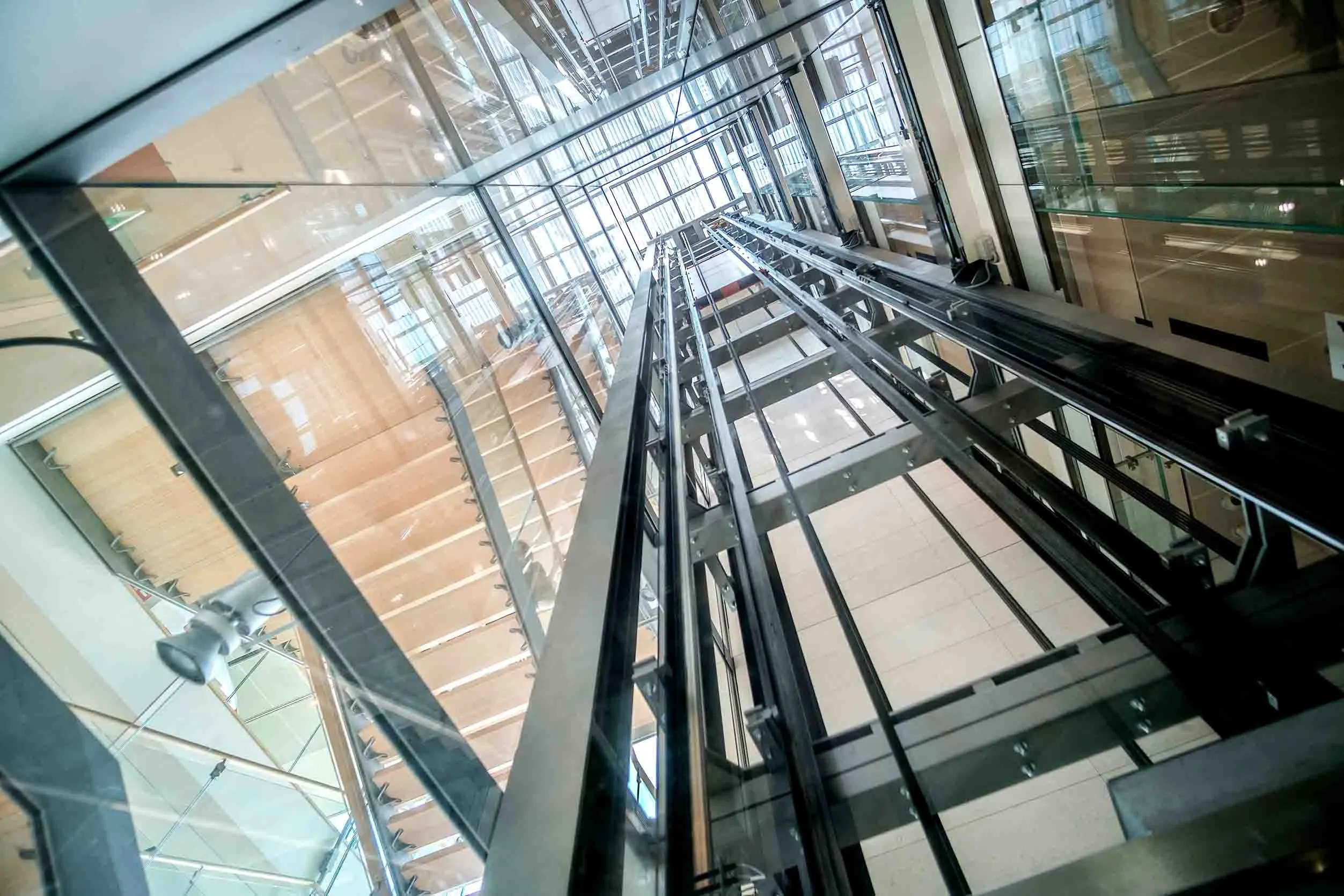
Edge doesn’t exist in isolation. Outside, the High Line’s elevated park brings you to Hudson Yards through gardens and art; at the plaza, the Vessel’s honeycomb form frames the sky (access policies may vary).
Together they make a walking route as much as an attraction: a chance to move from the Meatpacking District to Midtown West on foot, then rise into the sky to see where you’ve been.
Safety & accessibility
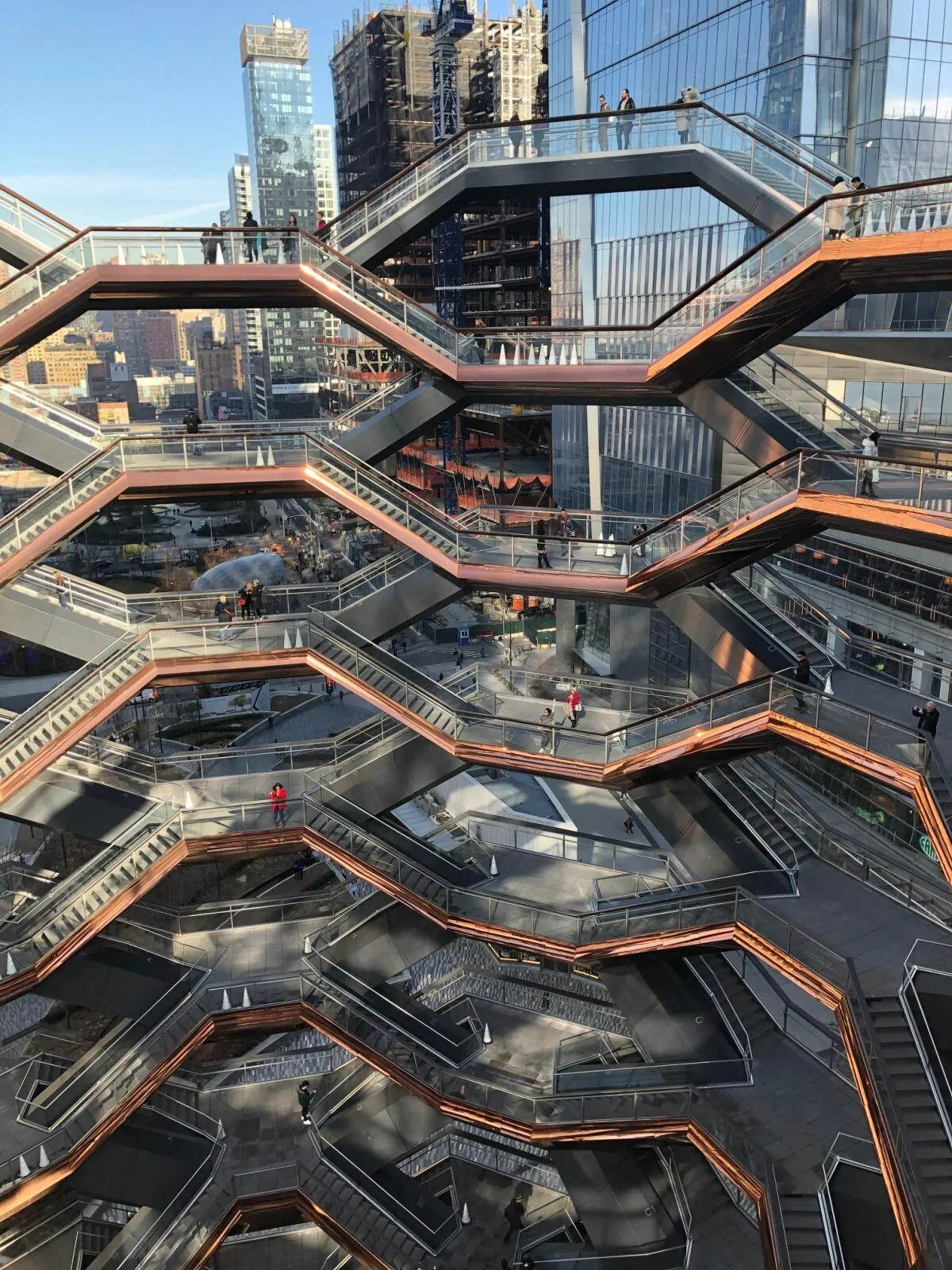
Elevators, ramps, and clear viewing areas make most of the experience accessible. Security screening is straightforward, with clear guidelines on bags and equipment.
For City Climb, health and attire requirements apply; operators provide gear and thorough briefings. Weather can prompt adjustments — staff will advise on the day.
Weather, wind, and comfort
At 100 floors up, wind is a feature, not a bug. Dress in layers, secure hats, and expect cooler conditions than at street level — especially by the river.
On rainy or very cold days, indoor areas soften the edges; in summer, aim for morning, late afternoon, or evening for gentler temperatures.
Tickets, timing & tips
Timed entry keeps crowds manageable. Flex tickets add weather wiggle room; sunset slots need early planning.
A simple strategy: book ahead, arrive early, travel light, charge your phone, and linger as day turns to night.
Sustainability & operations
Large towers are complex organisms. At Hudson Yards, modern systems manage energy, airflow, and safety; Edge operates within that envelope, balancing spectacle with stewardship.
Your visit has a footprint — arriving by transit, choosing off‑peak times, and respecting staff guidance helps keep the experience smooth for everyone.
What’s nearby in Midtown West
Within minutes you can explore the High Line, The Shed’s cultural programming, the Vessel plaza, and The Shops & Restaurants at Hudson Yards.
A short walk brings you to the Javits Center, the Hudson River Greenway, and Chelsea’s galleries — a full day within a few city blocks.
Why Edge matters
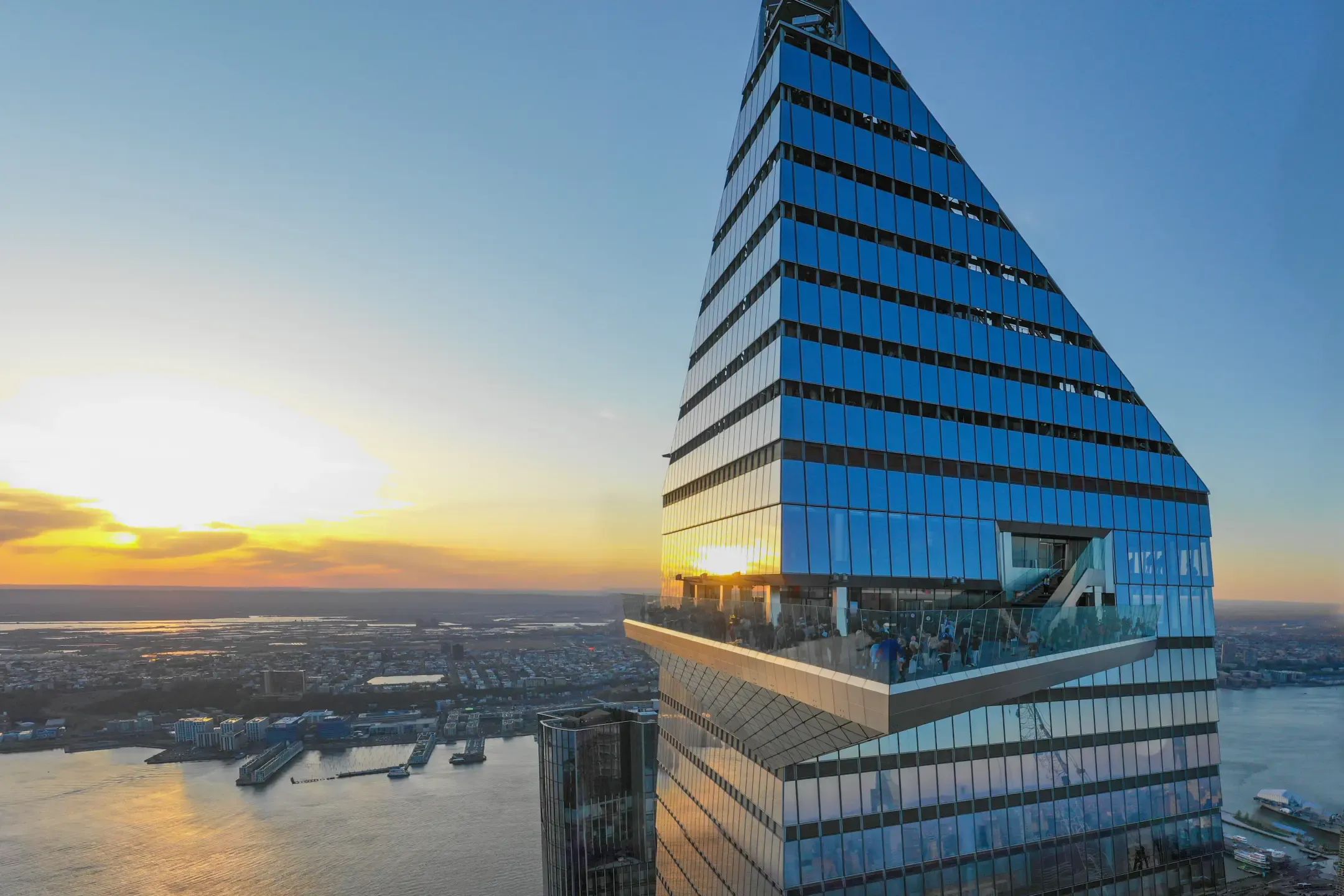
Edge distills a big New York idea: make a bold space, open it to everyone, and trust that the city will fill it with stories — proposals, first visits, reunions, quiet moments of looking out.
In a town of old icons, it’s a new kind of landmark — one you don’t just see from afar, but experience with your whole body.
Table of Contents
Origins of Hudson Yards
For decades, the West Side railyards were a frontier between Midtown’s dense core and the Hudson River — an expanse of tracks and open air, more transit than neighborhood. The audacious idea was to build a new district on a platform above active rail lines, stitching together a once‑industrial edge into the fabric of Manhattan.
Hudson Yards emerged from that vision: offices, homes, parks, and cultural spaces rising over steel and motion. Within it, 30 Hudson Yards crowned the plan with a gesture both architectural and emotional — a terrace that didn’t just look at the skyline, but reached into it.
Designing the sky deck
Edge’s form is instantly recognizable — a crystalline wedge that seems to slip out of the tower and hover 1,131 feet above the city. Angled glass balustrades invite you to lean into the panorama; the facets catch and refract light in a way that feels both futuristic and unmistakably New York.
The experience was designed to be participatory. Nothing is passive: the deck nudges you to move, stroll, point, compare landmarks, and claim your own corner of the skyline. Inside and out, the route is choreographed so the city unveils itself in generous, cinematic frames.
Engineering the cantilever
The deck projects roughly 80 feet from the building — a bold cantilever made possible by deep steel framing, carefully tuned connections, and a hidden web of structure that carries loads back into the tower. Every detail was modeled for wind, weight, and movement, from the glass panels to the point where your foot meets the floor.
Even the glass floor is a feat: thick, laminated panels engineered for strength and clarity, giving you a vertigo‑tinged look at the city below. It’s a blend of performance and theater — robust enough to trust, transparent enough to thrill.
Opening, pause, and return
Edge opened in early 2020 with a splash of optimism — a new way to see New York from a district that symbolized the city’s knack for reinvention. Within weeks, the world shifted, and the deck closed temporarily amid a global pause.
Its reopening became a small beacon: a sign of the city gathering itself again, of visitors returning, and of residents seeking fresh air and fresh perspective. From that point, Edge settled into the city’s rhythm — a place for proposals, reunions, and first‑time ‘wow’ moments.
Views that map a city
From Edge, the city becomes a living atlas. To the south, the Hudson turns silvery at sunset; to the east, Midtown’s towers step toward the river; far uptown, a green seam hints at Central Park. On clear days the horizon stretches to New Jersey’s Palisades, the harbor, and the Atlantic’s distant line.
Night remakes the map: avenues glow like circuitry, landmarks sharpen into icons, and the city’s hum rises from a thousand stories below. It’s a reminder that New York is not a skyline but a habitat — a place people build, use, and reimagine every day.
City Climb: the crown
City Climb takes the concept of a ‘lookout’ and tilts it into adventure. Suited, briefed, and clipped into a safety system, you ascend open‑air stairs to the crown, where the city opens in every direction.
At the top comes the signature moment: a supported lean over the edge, body pitched into a sea of air, Manhattan unfurling beneath your feet. It’s controlled, supervised, and unforgettable.
High Line, Vessel, and context
Edge doesn’t exist in isolation. Outside, the High Line’s elevated park brings you to Hudson Yards through gardens and art; at the plaza, the Vessel’s honeycomb form frames the sky (access policies may vary).
Together they make a walking route as much as an attraction: a chance to move from the Meatpacking District to Midtown West on foot, then rise into the sky to see where you’ve been.
Safety & accessibility
Elevators, ramps, and clear viewing areas make most of the experience accessible. Security screening is straightforward, with clear guidelines on bags and equipment.
For City Climb, health and attire requirements apply; operators provide gear and thorough briefings. Weather can prompt adjustments — staff will advise on the day.
Weather, wind, and comfort
At 100 floors up, wind is a feature, not a bug. Dress in layers, secure hats, and expect cooler conditions than at street level — especially by the river.
On rainy or very cold days, indoor areas soften the edges; in summer, aim for morning, late afternoon, or evening for gentler temperatures.
Tickets, timing & tips
Timed entry keeps crowds manageable. Flex tickets add weather wiggle room; sunset slots need early planning.
A simple strategy: book ahead, arrive early, travel light, charge your phone, and linger as day turns to night.
Sustainability & operations
Large towers are complex organisms. At Hudson Yards, modern systems manage energy, airflow, and safety; Edge operates within that envelope, balancing spectacle with stewardship.
Your visit has a footprint — arriving by transit, choosing off‑peak times, and respecting staff guidance helps keep the experience smooth for everyone.
What’s nearby in Midtown West
Within minutes you can explore the High Line, The Shed’s cultural programming, the Vessel plaza, and The Shops & Restaurants at Hudson Yards.
A short walk brings you to the Javits Center, the Hudson River Greenway, and Chelsea’s galleries — a full day within a few city blocks.
Why Edge matters
Edge distills a big New York idea: make a bold space, open it to everyone, and trust that the city will fill it with stories — proposals, first visits, reunions, quiet moments of looking out.
In a town of old icons, it’s a new kind of landmark — one you don’t just see from afar, but experience with your whole body.